An independent Level 3 damp survey was commissioned for a residential property in Primrose Hill (NW3). The property owner instructed a comprehensive diagnostic inspection to evaluate persistent basement moisture and visible internal plaster damage. Obtaining an objective, specialist assessment ensured that all proposed repairs were backed by physical diagnostic evidence rather than commercial guesswork.
About the Issue
The homeowner observed heavy moisture saturation and mould growth in the front basement entrance area and vaulted space, as well as wall staining above the rear door frame extending into the basement. Fearing widespread structural failure or unseen rot throughout the building, they requested an expert health check to determine whether the home was safe for occupation.
The Challenge
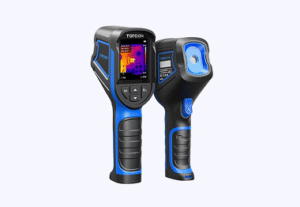
A Level 3 damp investigation was conducted across the entire structure, encompassing roof coverings, external elevations, subterranean rooms, floor slabs, wall masonry, drainage networks and ventilation systems. The goal was to isolate active water entry routes from historical damage while verifying structural stability.
The systematic inspection yielded distinct diagnostic findings across the building:
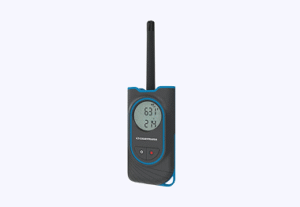
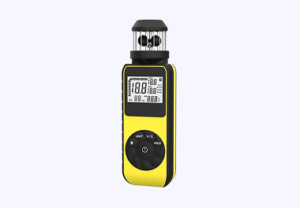
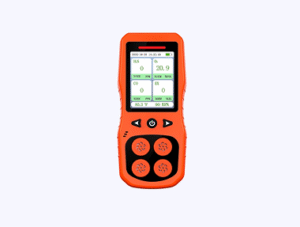
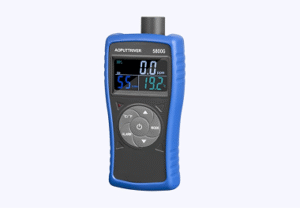
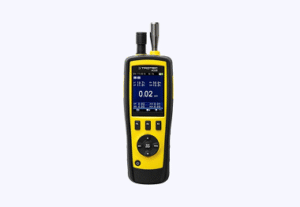
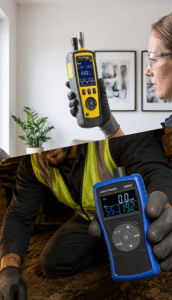
- Environmental testing recorded relative humidity at 43.5% at a temperature of 18.1°C, while ventilation flow tests on extractor fans confirmed positive airflow and proper operation, proving atmospheric condensation was not a contributing factor.
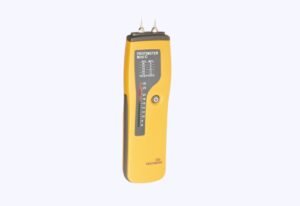
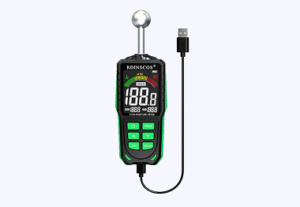
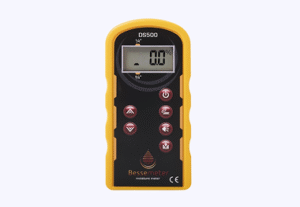
- Physical testing in the front basement entrance area (containing electrical boxes) and vaulted section beneath revealed heavy water saturation and severe penetrating damp.
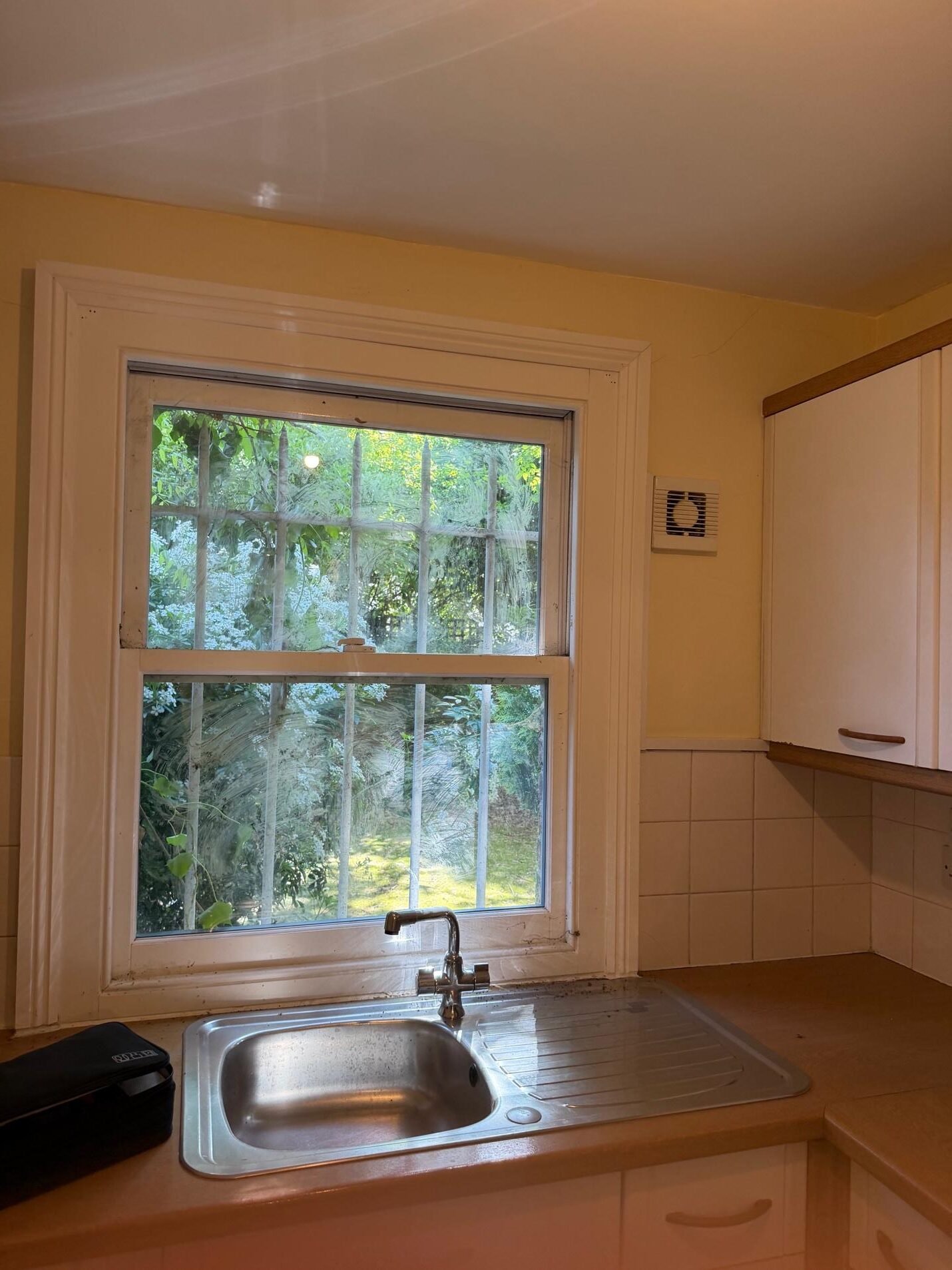
- Rising damp was identified in the basement on the right-hand side of the rear door and around the base of the chimney breast, exacerbated by an absence of a visible external DPC and high external ground levels bridging the kitchen window.
- High-level inspection revealed missing chimney caps, weeds growing on roof sections, a defective parapet wall corner causing upper internal wall damage, a failing rear small flat roof and an incorrectly positioned ground-level air brick creating a subfloor water ingress risk.
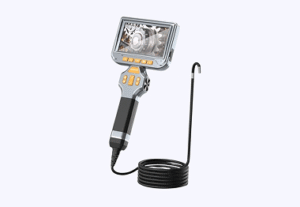
Checks on visible plumbing, pipework and drainage runs confirmed zero active leaks or blockages and all accessible timbers were completely clear of dry rot, wet rot and woodworm infestation. External brickwork pointing remained in good condition. Because of the extent of damp and mould in the basement entrance, the survey formally concluded that the property is currently not considered suitable for habitation until full remedial works are completed.
The Solution
To make the building watertight, safe and habitable, the report outlined a prioritised remedial strategy:
- Install a full cavity membrane system in the basement, fitting cavity drainage membranes to all affected walls alongside a sump pump system to collect and evacuate water.
- Lower external ground levels at the basement level around the kitchen window to below internal floor height to remove bridging.
- Raise the subfloor ventilation air brick to maintain subfloor airflow while preventing rainwater entry.
- Install chimney caps on all open chimney pots and remove weed growth from the roof.
- Repair the parapet wall corner defect to stop upper internal wall moisture ingress.
- Repair or replace the small flat roof at the rear of the property.
- Perform cosmetic repairs to the upper-floor ceiling affected by a historic, now dry, water tank leak.
The Outcome
The property owner gained total diagnostic clarity regarding the building’s true condition. By identifying that the structure, brickwork pointing and timbers were sound, the survey prevented unnecessary timber treatments while establishing the exact waterproofing and exterior repairs needed to restore habitability.
Why This Case Matters
Severe basement dampness can make a home unlivable if left unaddressed or treated with basic surface coatings. Independent diagnostic surveys combine atmospheric readings, subfloor airflow checks and structural testing to ensure complex below-ground dampness is solved with proper engineering like cavity membrane drainage rather than temporary cosmetic fixes.