An independent Level 3 damp survey was performed on a residential property located in Primrose Hill (NW3). Commissioned by the property owner to assess severe basement dampness and upper-floor wall staining, the survey delivered a thorough, fact-based evaluation across all building components. The inspection provided an objective health check free from contractor commercial bias.
About the Issue
The property owner observed heavy wall saturation in the front basement vault and entrance area, alongside rising dampness near the basement chimney breast. Concerned about health risks from mould and potential structural decay, they requested a specialist survey before undertaking renovation work.
The Challenge
The surveyor conducted a complete Level 3 assessment, examining internal rooms, subterranean vaults, external elevations, roof surfaces, drainage runs and structural timbers.
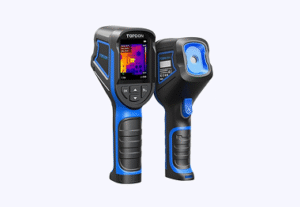
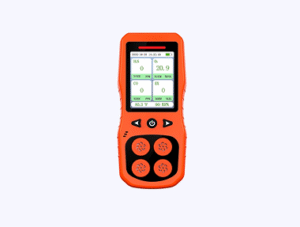
Testing and observations gathered key facts across the property:
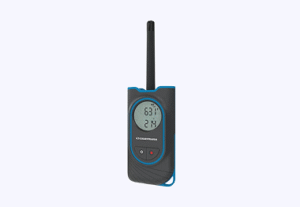
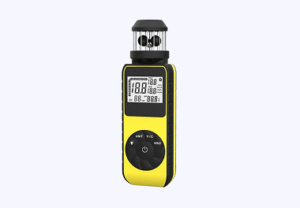
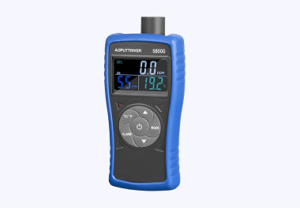
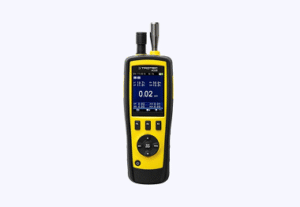
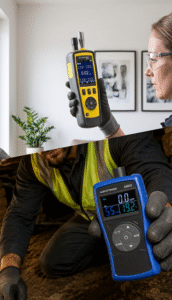
- Environmental testing recorded relative humidity at 43.5% and temperature at 18.1°C, while ventilation flow tests confirmed positive airflow across all extractor fan units.
- The front basement entrance area (containing electrical boxes) and vaulted space suffered from severe penetrating damp and water saturation.
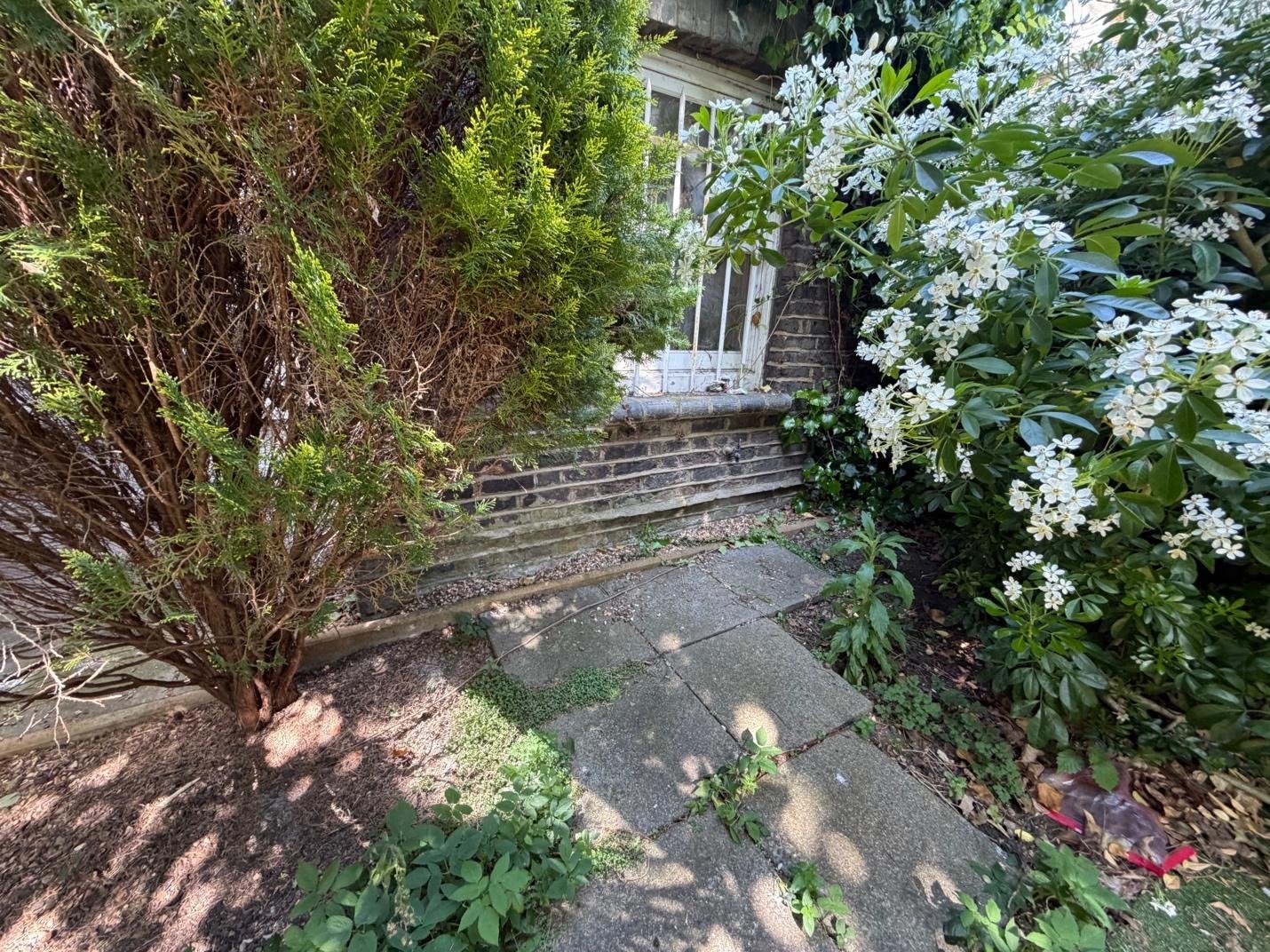
- Rising damp was present on the right-hand side of the rear basement door and at the base of the chimney breast, driven by high external ground levels near the kitchen window and an absent visible external DPC.
- High-level roof defects included missing chimney caps, organic weed growth, a defective parapet wall corner damaging upper internal plaster, a failing rear flat roof and an incorrectly positioned subfloor air brick at ground level.
Full checks on visible plumbing and drainage confirmed zero active leaks or defects. External brickwork pointing was in good condition and accessible timbers were completely clear of dry rot, wet rot and woodworm. Due to basement moisture and mould, the property was assessed as currently not suitable for habitation.
The Solution
To permanently resolve active dampness and restore habitability, the report recommended the following action plan:
- Install a full basement cavity membrane system, incorporating wall drainage membranes and a sump pump system.
- Excavate and lower external ground levels around the basement kitchen window to sit below internal floor level.
- Raise the ground-level subfloor air vent to stop rainwater entering the subfloor void while maintaining ventilation.
- Install protective chimney caps on all uncapped flues and clear roof weeds.
- Repair the parapet wall corner defect and repair or replace the rear flat roof.
- Carry out cosmetic repairs to the upper-floor ceiling affected by an old, dry water tank leak.
The Outcome
The property owner gained total clarity regarding the necessary restoration sequence. By establishing that the building’s brickwork pointing, drainage and structural timbers were sound, the independent survey protected the owner from unneeded timber treatments while giving a precise roadmap to make the home safe to live in.
Why This Case Matters
Unbiased damp surveys evaluate health and habitability alongside structural integrity. Identifying that internal moisture is driven by external ground bridging, roof defects and below-ground water pressure ensures building owners address root causes before attempting internal redecoration.