An independent Level 3 damp survey was instructed for a residential house with a garage and basement in Greenwich (SE10). The property owner commissioned the assessment to establish a definitive health check of all building components before carrying out routine exterior upkeep. Obtaining an objective specialist evaluation ensured that all maintenance decisions were guided by physical readings rather than assumptions.
About the Issue
The homeowner observed early signs of deterioration on external timber panelling and the garage door frame, raising concerns about potential rot spreading into structural elements. They worried that hidden dampness might also be affecting the subterranean basement or main living spaces.
The Challenge
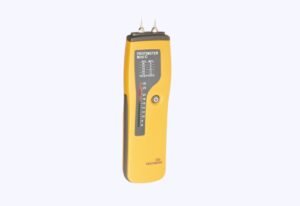
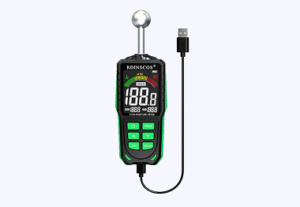
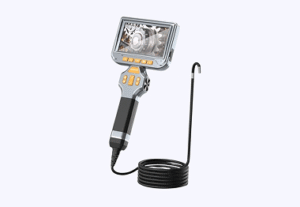
A Level 3 damp survey covered the main house, garage and garage basement, utilising advanced diagnostic methods to test masonry, structural timbers and subterranean spaces.
Key findings recorded during the investigation included:
- Aerial drone technology surveyed high-level roof coverings, chimney masonry and guttering, confirming all were in good working order with no defects.
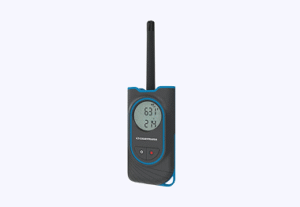
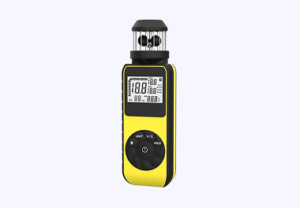
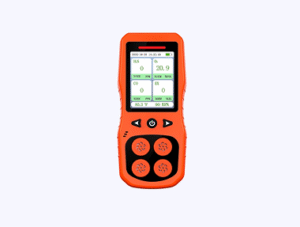
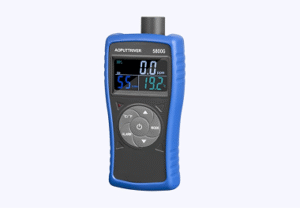
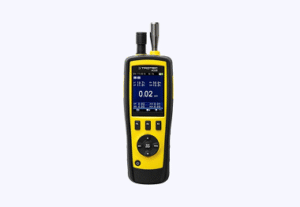
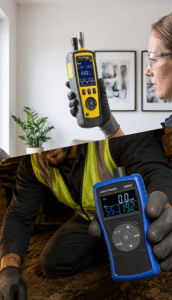
- Environmental readings recorded main house internal humidity at 47.6% at 21.5°C and garage basement humidity at 51.5% at 19.8°C.
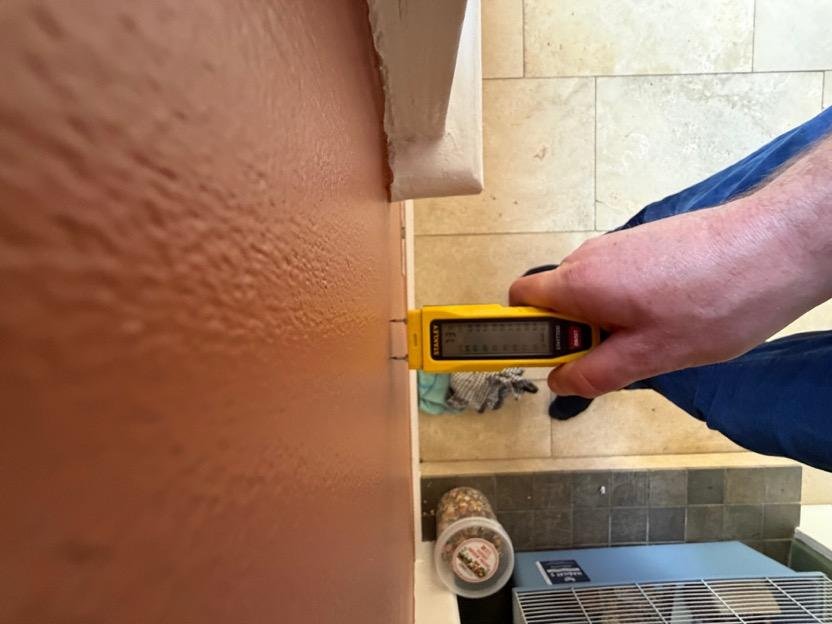
- Comprehensive testing across walls, floors and timbers found zero rising damp, penetrating damp, condensation, mould growth, dry rot, wet rot, or woodworm.
The brickwork and pointing were intact, with no structural movement observed. While the house and basement were completely dry and sound for storage, physical checks pinpointed minor timber decay on the garage wooden door frame, alongside deteriorating external timber elements at the front of the property and panelling at ground floor and first floor levels.
The Solution
With no damp proofing treatments required, recommendations focused on minor preventative maintenance:
- Repair or replace the garage wooden door frame affected by early-stage decay.
- Repair or replace external timber panelling at ground floor and first floor level on the front elevation.
- Continue routine property maintenance to preserve current conditions.
The Outcome
The property owner gained complete peace of mind that their home, garage and basement were thoroughly dry and structurally sound. By obtaining an independent assessment, they confirmed that no expensive damp proofing or tanking treatments were needed.
Why This Case Matters
Deteriorating external joinery often leads homeowners to fear broader structural rot or water ingress. Independent surveys separate minor surface joinery upkeep from actual building dampness, protecting owners from unnecessary damp proofing installations.