This independent Level 3 damp survey evaluated a three-storey house located in Catford (SE6). Commissioned by the property owner to determine the source of multi-floor wall dampness, the survey delivered an objective, evidence-based diagnostic check. The health check covered all internal living spaces, subfloors, structural joinery and high-level roof coverings without sales bias.
About the Issue
The property owner observed peeling paint on both sides of the ground floor bay window, damp plaster near the rear hallway door and moisture marks on a first-floor bedroom wall. Fearing that structural timber rot or roof failures were threatening the building, they requested a professional inspection.
The Challenge
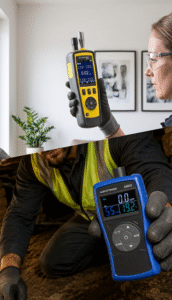
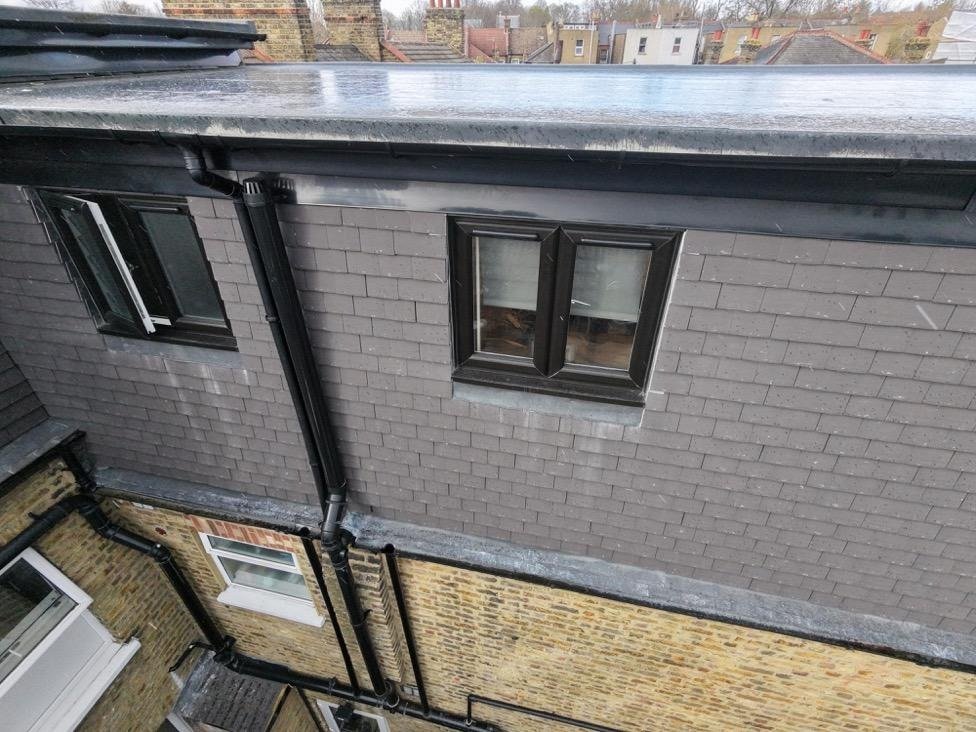
The surveyor conducted a complete Level 3 investigation across all three storeys, assessing wall moisture content, air humidity levels, structural joinery and roof details via drone.
Testing and visual observations gathered clear factual evidence:
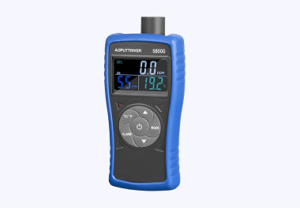
- Atmospheric humidity meters registered between 50% and 55% relative humidity, confirming healthy indoor air quality throughout.
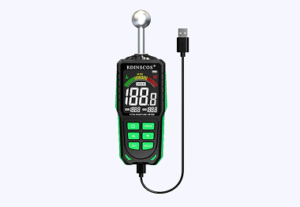
- Quantitative damp meters confirmed localised rising damp on both sides of the ground floor front bay window and on the left-hand side of the rear hallway door.
- Cold external masonry in the front bay area was generating localised condensation and surface mould.
- Aerial drone photography confirmed incomplete and defective roofing directly above the first-floor front bedroom wall, driving penetrating damp.
- The top floor rear room was inspected and found to be in clear, dry condition.
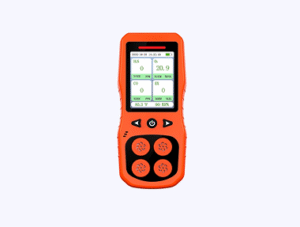
- Physical testing confirmed complete freedom from plumbing leaks, structural movement, timber decay (dry rot, wet rot, woodworm) and pointing defects.
The overall structural condition, brickwork pointing and visible DPC levels were confirmed in good order.
The Solution
To permanently resolve the moisture issues, the survey recommended the following sequence:
- Ground Floor Treatment: Remove plaster to 1.4 metres high in the front bay window and rear hallway door areas. Inject a chemical DPC, apply salt neutraliser, tanking slurry, waterproof render and smooth replastering.
- Thermal Insulation: Install thermal plasterboard on the cold external wall in the front ground floor area to prevent condensation mould.
- Roof Maintenance: Instruct a qualified roofer to fix the defective roof covering above the first-floor bedroom. Once repaired, allow the internal bedroom wall to dry naturally before repainting.
- Top Floor: Maintain current good condition with no action required.
The Outcome
The property owner achieved complete peace of mind knowing the house was structurally sound and timbers were healthy. By following an independent diagnostic report, they avoided unnecessary building work on the top floor and upper bedroom walls, resolving issues through targeted ground floor damp proofing and exterior roofer repairs.
Why This Case Matters
Unbiased damp diagnostics focus on uncovering real root causes rather than selling proprietary damp proofing products. Identifying an external roof defect as the cause of upper-floor dampness prevents property owners from wasting money on invasive internal plaster stripping when basic roof repairs are all that is required.