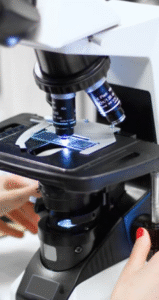
An independent Level 3 damp survey was carried out on a three-storey house in Catford (SE6). The property owner requested the survey to investigate ground-floor wall dampness and first-floor bedroom water staining. The comprehensive check delivered an impartial, expert appraisal of the property’s overall condition.
About the Issue
Concerns arose after the homeowner identified low-level dampness in the front living room bay window, blistering plaster near the rear hallway door and moisture marks in an upper bedroom. They feared that rising dampness was spreading through all three storeys or that internal joists were rotting.
The Challenge
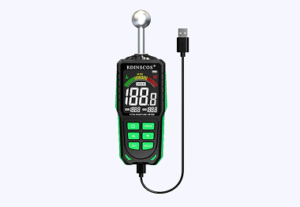
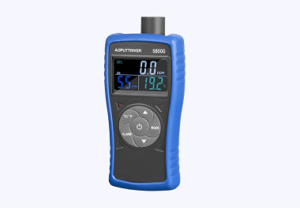
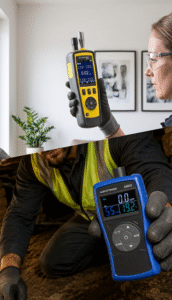
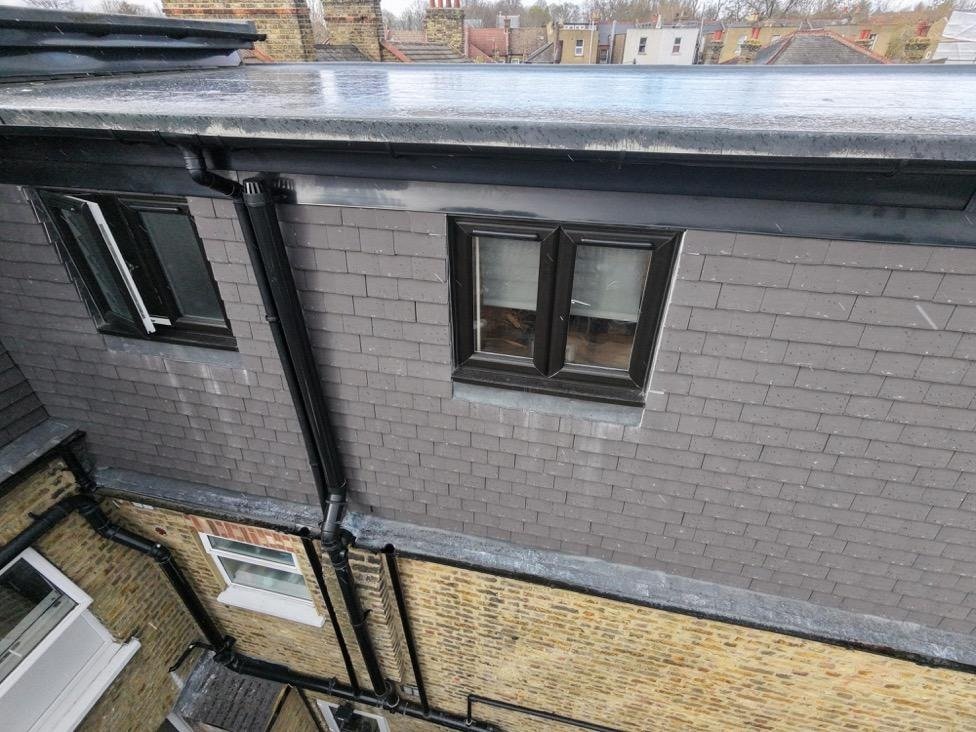
The inspection involved testing internal walls across all floors, measuring room microclimates, assessing structural joinery and inspecting high-level roof coverings via drone.
Key testing results and observations included:
- Atmospheric testing recorded 50% to 55% relative humidity throughout the property, ruling out general high humidity or building-wide condensation.
- Calibrated moisture meters confirmed rising damp was isolated to the ground floor front bay window (both sides) and the left-hand side of the rear hallway door.
- Localised condensation and mould were diagnosed on the cold external masonry of the front ground floor bay area.
- Drone inspection revealed incomplete and defective roof coverings directly above the first-floor front bedroom wall.
- Inspection of the top floor rear room confirmed zero damp defects, while checks on structural brickwork, DPC levels and joists confirmed sound structural health with zero dry rot, wet rot, or woodworm.
The surveyor concluded that ground floor capillary rise, cold wall bridging and a roof leak were the sole drivers of moisture in the house.
The Solution
The report detailed a practical action plan to stop water ingress and restore the interior:
- Ground Floor Damp Proofing: Hack off plaster to 1.4 metres high in affected bay window and rear door areas. Inject a chemical DPC, apply salt neutraliser, tanking slurry, waterproof render and a smooth plaster finish.
- Thermal Upgrade: Fit thermal plasterboard internally on the cold external front wall to eliminate condensation and mould risks.
- Roof Restoration: Commission a roofer to repair the incomplete roof covering above the first-floor front bedroom. Allow the internal wall to dry naturally, then repaint.
- Top Floor: No repairs required.
The Outcome
The homeowner received definitive proof that their property was structurally healthy and free from timber rot. Choosing an independent specialist survey saved them from unnecessary, expensive wall tanking on upper floors, directing their budget strictly to verified ground floor damp proofing and roof repairs.
Why This Case Matters
When water penetrates a first-floor bedroom wall from a defective roof, property owners often fear rising damp has reached the upper storeys. Independent diagnostic surveys use drone imagery and moisture profiling to prove that upper-floor dampness is caused by roof faults, ensuring root causes are rectified without unneeded internal plastering.