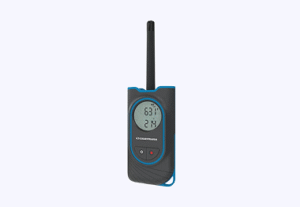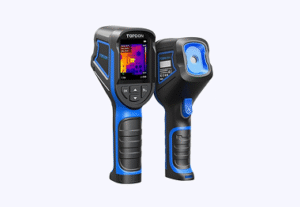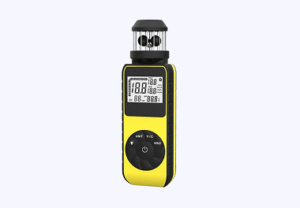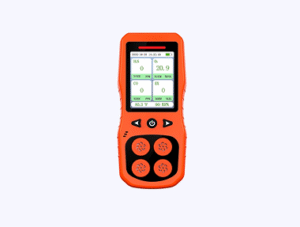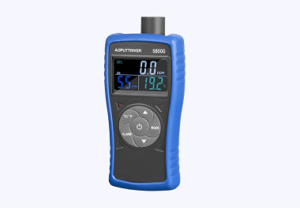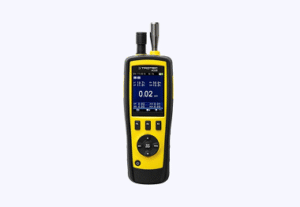
This independent Level 1 damp survey was performed on a lower ground/basement and upper ground floor flat in Stoke Newington (N16). The property owner commissioned the inspection to determine the root cause of internal damp patches and timber frame decay. The survey delivered an impartial assessment free from contractor bias.
About the Issue
The homeowner observed damp wall surfaces near the basement bathroom, soft timber on door frames and moisture beneath the front external steps. Fearing that rising dampness was spreading through the building structure, they requested a professional evaluation.
The Challenge
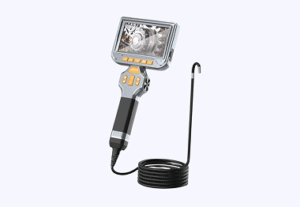
Starting on the basement level and progressing to the upper ground floor, the surveyor evaluated internal walls, window reveals, joinery and external structures.
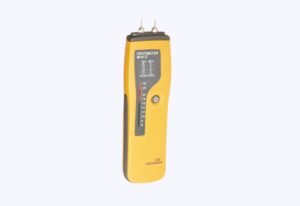
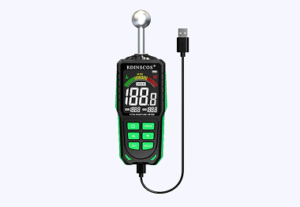
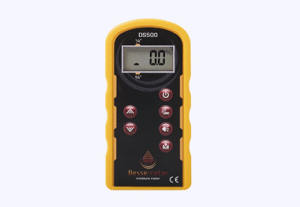
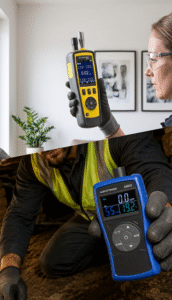
The investigation gathered precise physical evidence:
- High moisture readings confirmed approximately 10 square metres of rising damp in the basement, located mainly around the bathroom area and surrounding walls.
- Moisture entering around basement window openings and surrounding frames created localised penetrating damp.
- Upper ground floor windows and adjoining walls exhibited penetrating damp, linked to water leaking around window areas and faulty guttering.
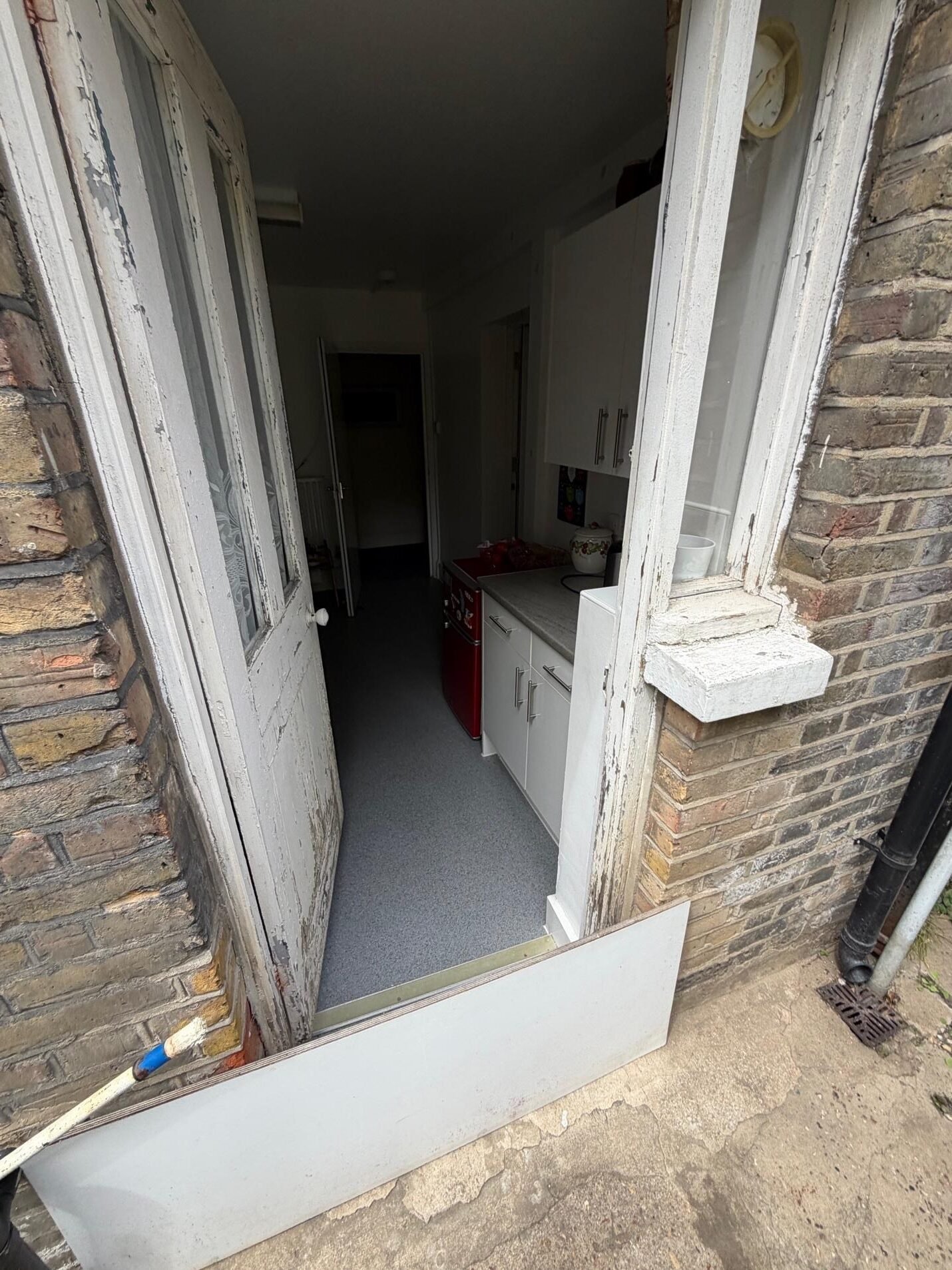
- Minor timber decay was recorded on the basement doors, windows and frames.
- The space beneath the external steps was found to be damp from external moisture pressure; the survey established that waterproof render is unsuitable for this area and specified a cavity membrane system instead.
The Solution
The action plan outlined clear steps to rectify internal dampness and prevent future moisture ingress:
- Address the approximately 10 square metres of rising damp in the basement through plaster removal, chemical DPC injection where suitable, application of salt neutraliser and tanking slurry or a suitable waterproofing system and replastering.
- Investigate and repair external defects around windows on both levels, including inspecting guttering, renewing window seals and repairing defective external pointing.
- Prepare, repair where required and repaint decayed timber window and door frames.
- Apply a cavity membrane system to the damp area underneath the external steps to control below-ground moisture.
The Outcome
The property owner received a comprehensive, evidence-based report that clearly separated rising damp from external window leaks. By following an independent diagnosis, they avoided over-specifying repairs and focused budget on essential damp proofing and exterior upkeep.
Why This Case Matters
Basement flats frequently suffer from a combination of rising damp, window leaks and vault dampness. An independent survey isolates each specific mechanism, ensuring the correct remediation method is applied to every individual area.