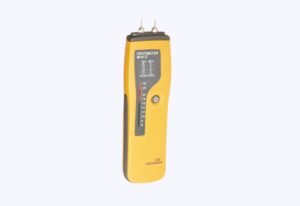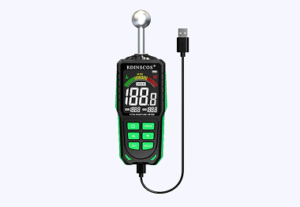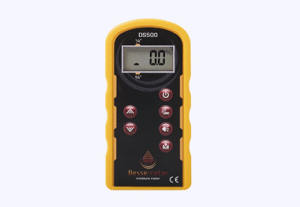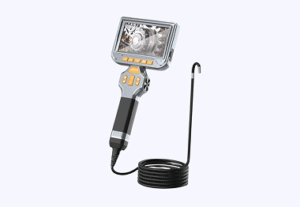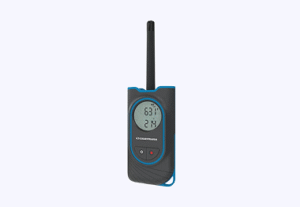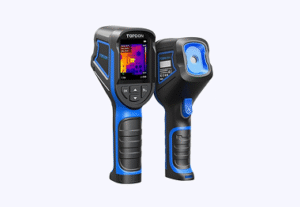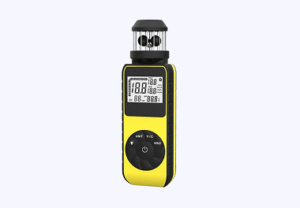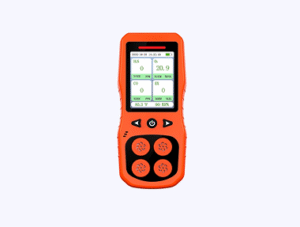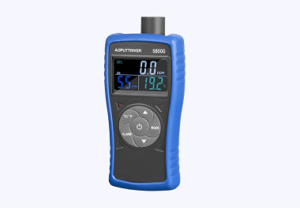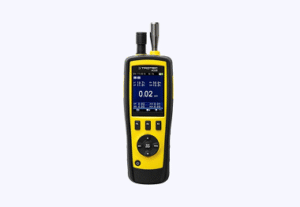
A Level 1 damp survey was carried out on a lower ground/basement and upper ground floor flat in Stoke Newington (N16). The property owner arranged the inspection to assess dampness across both storeys and evaluate timber frame conditions. The specialist survey provided an objective diagnostic overview without commercial sales pressure.
About the Issue
Discolouration around window frames and dampness along basement walls prompted concern for the homeowner. Unsure whether the issue stemmed from leaking pipes, defective gutters, or groundwater, they sought an expert diagnosis before carrying out redecoration.
The Challenge
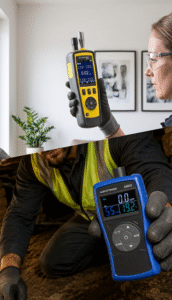
The surveyor conducted a Level 1 damp survey, evaluating the basement level before moving upward to the upper ground floor. The inspection focused on differentiating between rising damp, penetrating damp and external structural pressure.
Diagnostic findings established key factual evidence:
- Approximately 10 square metres of rising damp was mapped on the basement level, situated primarily around the bathroom and adjacent walls.
- Water ingress around basement window openings and surrounding frames resulted in localised penetrating damp.
- Upper ground floor windows and adjoining walls showed penetrating damp damage, attributed to leaking water around windows and faulty guttering.
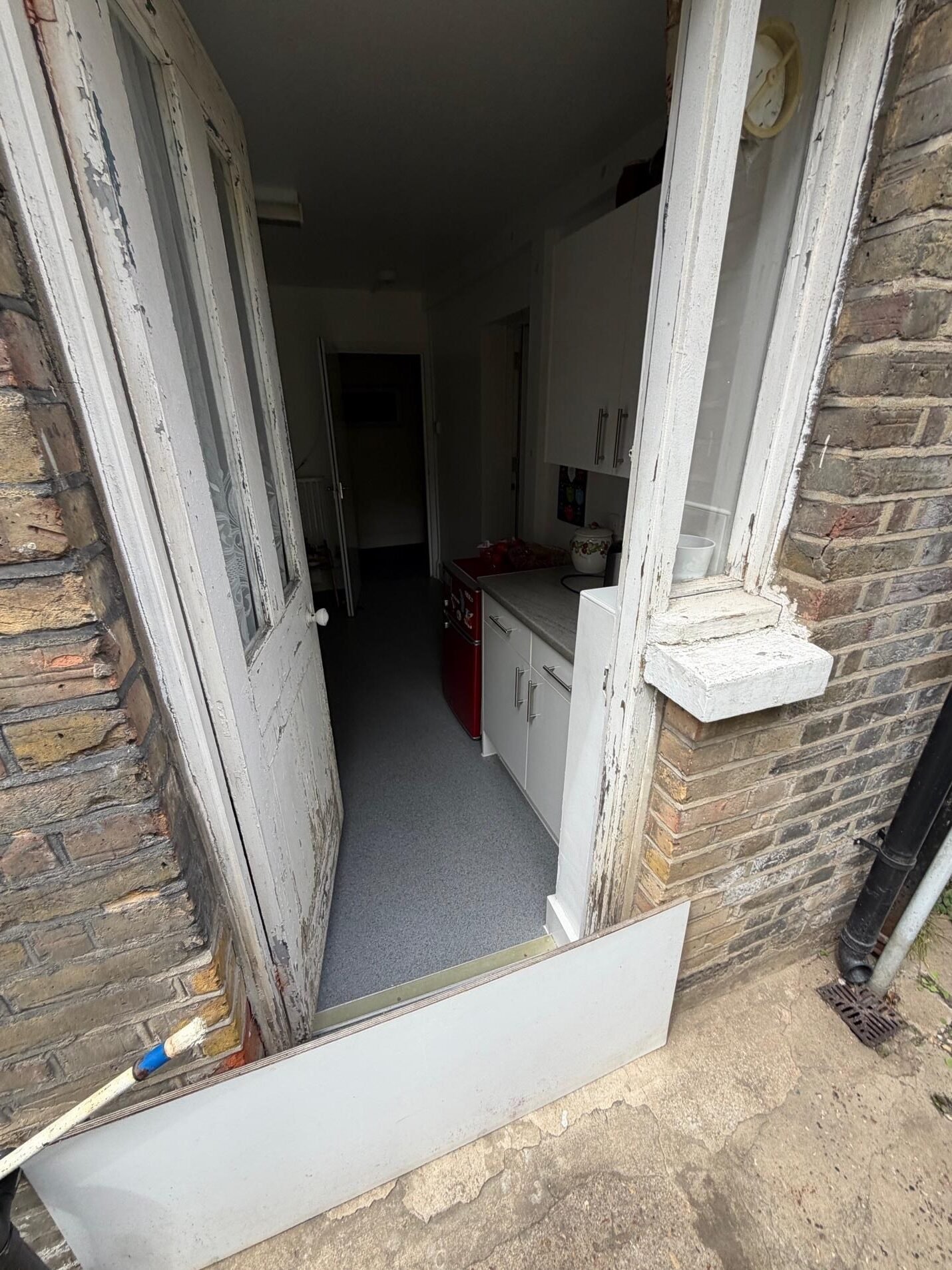
- Visual checks noted minor decay affecting basement timber frames, doors and windows.
- The subterranean area underneath the external steps tested damp due to heavy exposure to external moisture pressure; waterproof render was ruled out as unsuitable, confirming a cavity membrane system as the correct engineering solution.
The Solution
To resolve the identified moisture defects across both floors, the report specified the following remedial sequence:
- Remediate the approximately 10 square metres of rising damp in the basement by stripping affected plaster, injecting a chemical DPC where suitable, applying salt neutraliser and tanking slurry or a suitable waterproofing system and replastering.
- Carry out external repairs to stop penetrating damp at windows across both storeys, encompassing guttering checks, window seal restoration and repointing of defective external masonry.
- Prepare, repair as necessary and repaint decayed window and door timber frames to protect against further deterioration.
- Install a cavity membrane system underneath the external steps to manage high-pressure below-ground moisture effectively.
The Outcome
The survey gave the property owner absolute certainty regarding their property’s health. Armed with an independent report, they avoided unnecessary works and obtained a precise blueprint to fix window leaks, treat basement walls and waterproof the steps correctly.
Why This Case Matters
Penetrating damp around windows can easily be mistaken for internal plumbing leaks or general condensation. Independent diagnostic surveys inspect external rainwater goods, seals and pointing to identify the true water entry route before internal work begins.