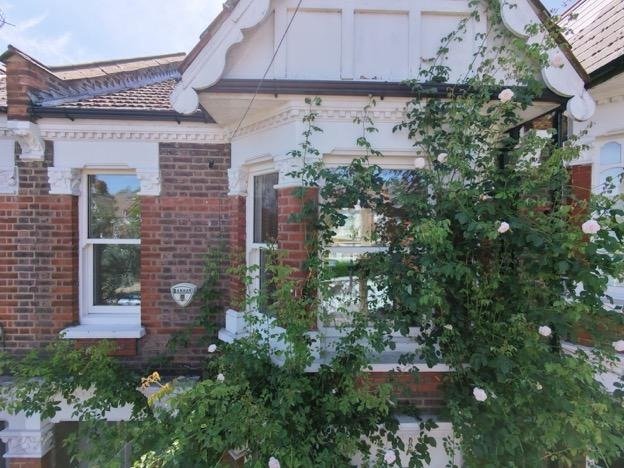
This independent Level 3 damp survey evaluated a residential property located in Kensal Rise (NW10). Commissioned by the property owner to determine the source of front wall moisture, the survey delivered an objective, evidence-based diagnostic check. The health check covered all internal living spaces, subfloors, structural joinery and high-level roof coverings without sales bias.
About the Issue
The property owner observed flaking paint inside a ground floor cupboard near the front bay window and surface fungal spots on the front exterior masonry. Fearing that rising damp or hidden plumbing leaks were affecting the subfloor, they requested a professional inspection.
The Challenge
The surveyor conducted a complete Level 3 investigation across all floors, assessing wall moisture content, deep slab humidity, mechanical ventilation, structural joinery and roof details via drone.
Testing and visual observations gathered clear factual evidence:
- Deep detection testing across all ground floor and upper floor slabs returned normal, satisfactory readings.
- Thermal imaging confirmed zero thermal anomalies or concealed plumbing leaks throughout the living areas.
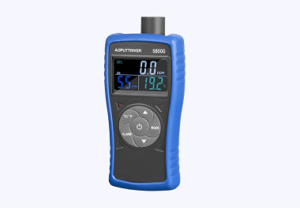
- Air humidity testing across all floors confirmed healthy indoor microclimates.
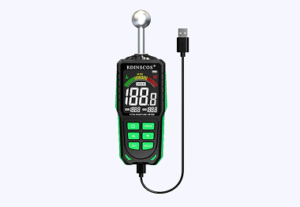
- Damp meter testing confirmed rising damp was confined strictly to the front cupboard area, caused by moisture-sensitive lightweight plaster.
- Aerial drone photography confirmed the property’s roof, chimney stack and gutters were sound, but identified overflowing guttering on the adjacent neighbouring house.
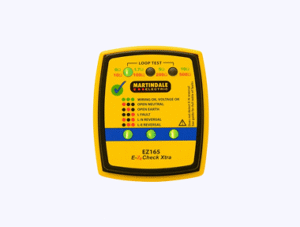
- Mechanical checks identified two non-operational upper extractor fans, while a ground-level check noted a slightly blocked front drain.
- Structural brickwork, joinery and timbers tested completely clear of dry rot, wet rot and woodworm.
The diagnostic reasoning established that the property was in good general condition, with defects limited to localised plastering, minor drainage clearing and external neighbour gutter repairs.
The Solution
To permanently resolve the moisture issues, the survey recommended the following sequence:
- Strip affected lightweight plaster in the front bay window cupboard and reinstate using a waterproof plastering system.
- Clear and flush the slightly blocked front drain to ensure free drainage flow.
- Inform the neighbour regarding their leaking roof guttering so it can be repaired to protect the front facade.
- Overhaul or replace the two non-functioning upper-floor extractor fans.
The Outcome
The property owner achieved complete peace of mind knowing the house was structurally sound and floor slabs were dry. By following an independent diagnostic report, they avoided unnecessary building work across dry rooms, resolving issues through a localised cupboard repair and basic maintenance.
Why This Case Matters
Unbiased damp diagnostics focus on uncovering real root causes rather than selling proprietary damp proofing products. Confirming that 98% of a building is dry protects property owners from paying for whole-house tanking when only one small cupboard needs attention.