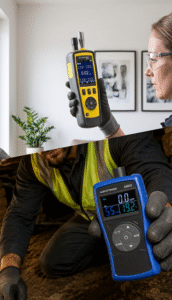
This independent Level 3 damp survey examined a residential house with a garage and basement in Greenwich (SE10). The property owner commissioned the assessment to establish the exact condition of subterranean walls, roof coverings and timber fabric. The inspection provided an objective, fact-based baseline without contractor bias.
About the Issue
Observing deterioration on ground and first-floor external timber panelling alongside decay on a garage door frame, the homeowner feared water infiltration. They were concerned that moisture might be migrating into internal living walls or affecting structural timbers.
The Challenge
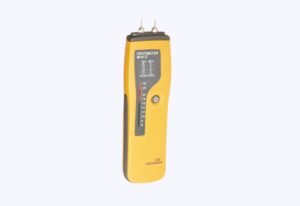
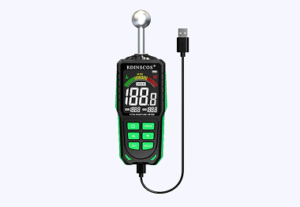
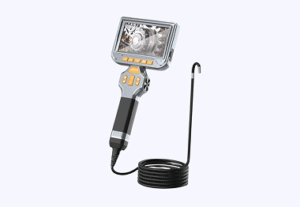
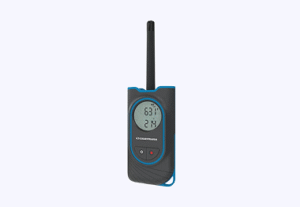
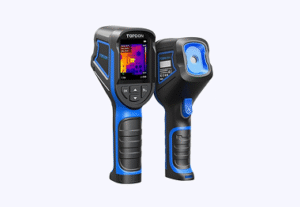
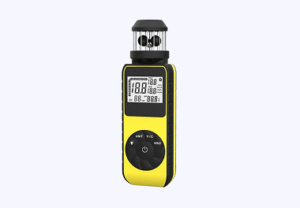
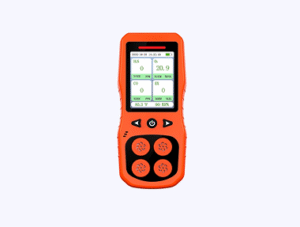
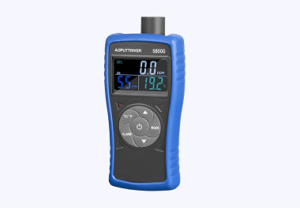
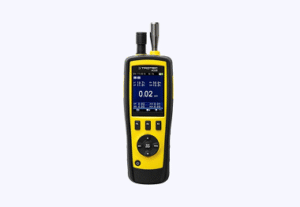
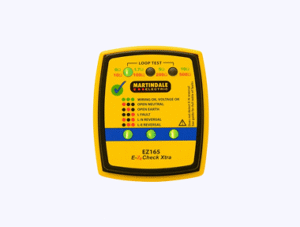
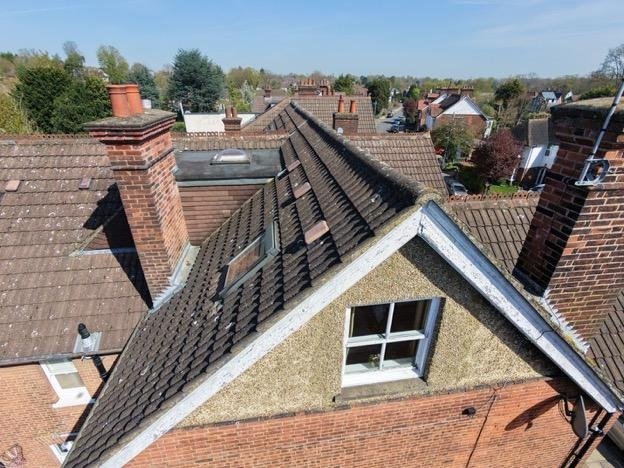
The investigation encompassed an internal and external assessment of the main house, garage and basement. High-level elements were evaluated via drone, while environmental instruments measured atmospheric conditions inside.
Quantitative evidence gathered during the survey established:
- Environmental testing recorded healthy atmospheric readings of 47.6% humidity at 21.5°C in the main house and 51.5% humidity at 19.8°C in the basement.
- High-resolution drone inspection verified that the roof, chimney and guttering were free of defects and performing as expected.
- Quantitative moisture profiling showed zero evidence of rising damp, penetrating damp, condensation, mould, dry rot, wet rot, or woodworm infestation.
The brickwork and pointing were intact and no structural movement was observed. Testing proved that subterranean spaces were performing within normal parameters for below-ground storage, limiting identified defects strictly to non-damp maintenance items: early-stage decay on the wooden garage door frame and deteriorating front timber elements and panelling at ground and first floor levels.
The Solution
Since no active damp was identified, no damp-proofing treatments were recommended. The action plan outlined routine maintenance:
- Repair or replace the garage wooden door frame affected by early-stage timber decay.
- Repair or replace external timber panelling and elements at the front of the property across ground and first floor levels.
- Continue general ongoing property maintenance.
The Outcome
The survey verified that the entire structure was dry and sound, providing clear documentation that saved the property owner from unnecessary structural waterproofing or damp treatments.
Why This Case Matters
Unbiased damp assessments protect building owners from contractors who might misinterpret minor external joinery decay as a sign of wider structural dampness. Diagnostic surveys isolate isolated joinery repairs from damp proofing needs.