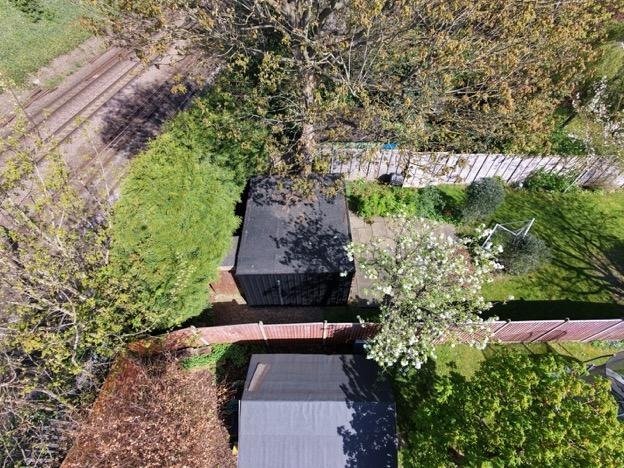
A residential house featuring a garage and basement in Greenwich (SE10) underwent a comprehensive Level 3 damp survey. The property owner arranged an independent diagnostic inspection to evaluate the complete structure. The survey provided a professional health check across all internal, subterranean and high-level external zones.
About the Issue
Concerns were prompted by visible weathering on the front timber panelling and early-stage timber decay on the garage door frame. The homeowner was anxious that these symptoms signalled widespread damp penetration into the subterranean basement or main living quarters.
The Challenge
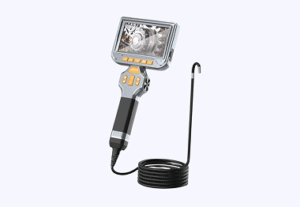
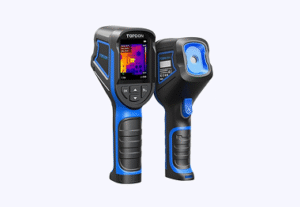
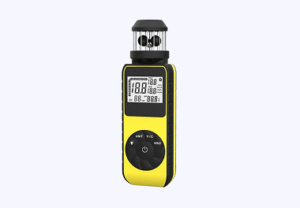
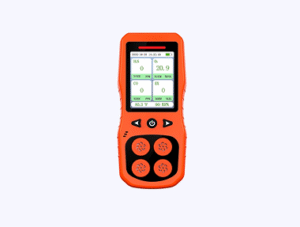
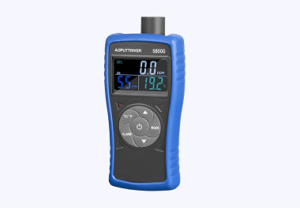
Evaluating the property called for a top-to-bottom Level 3 survey, integrating aerial drone diagnostics with internal moisture and environmental readings.
The diagnostic process provided concrete data across every building element:
- Roof coverings, gutters and chimney stacks inspected via drone were confirmed in good working order without water penetration risks.
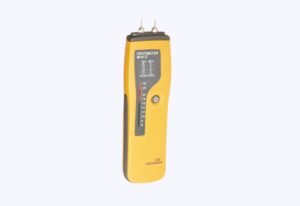
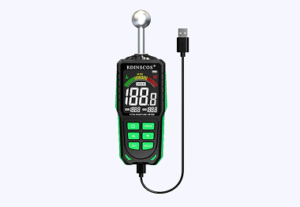
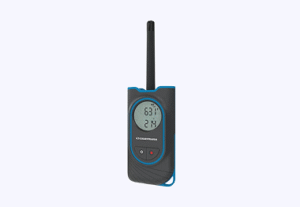
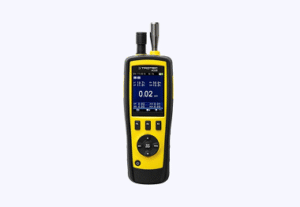
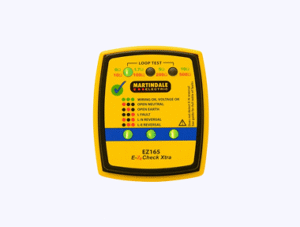
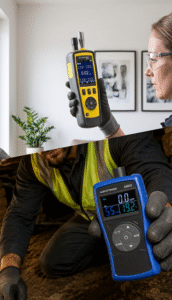
- Moisture testing and environmental meters recorded 47.6% humidity at 21.5°C inside the main house and 51.5% humidity at 19.8°C in the garage basement.
- Inspections across walls, floor slabs and timbers confirmed no rising damp, penetrating damp, condensation, mould, dry rot, wet rot, or woodworm.
External brickwork and pointing showed no defects and structural elements remained sound. The diagnostic reasoning established that while the core house, garage and basement were dry and suitable for general storage, localised maintenance issues existed on external joinery, specifically early-stage decay on the wooden garage door frame and deteriorating front timber elements and panelling across the ground and first floor levels.
The Solution
The survey concluded that no damp proofing was necessary, outlining a targeted joinery maintenance plan:
- Repair or replace the wooden garage door frame showing early decay.
- Repair or replace external timber elements and front panelling at ground floor and first floor levels.
- Maintain ongoing general property upkeep to safeguard building health.
The Outcome
The homeowner received absolute assurance that their living spaces and subterranean storage were dry and structurally secure. They avoided spending funds on unneeded damp proofing or basement tanking, focusing purely on minor exterior joinery.
Why This Case Matters
Specialist diagnostics evaluate real-time building performance rather than assuming timber weathering equates to structural dampness. Independent surveys prevent property owners from committing to heavy-handed waterproofing interventions when simple joinery maintenance is all that is required.