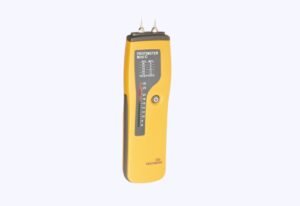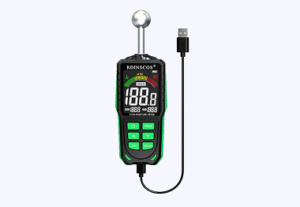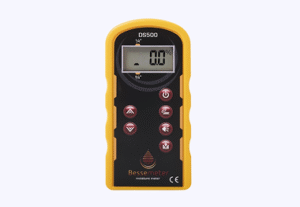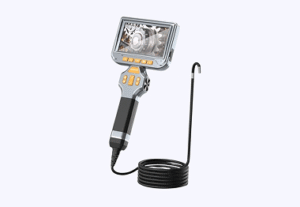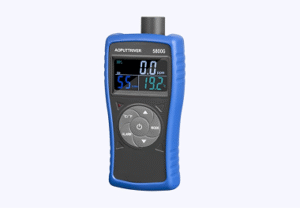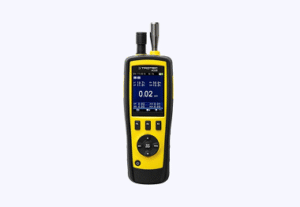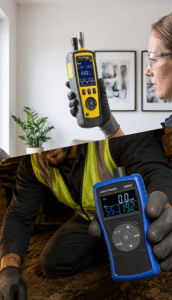
An independent Level 1 damp survey was commissioned for a lower ground/basement and upper ground floor flat in Stoke Newington (N16). The property owner instructed the survey to obtain an impartial evaluation of visible dampness affecting both levels. Commissioning an independent assessment ensured the diagnostic findings were free from contractor commercial bias.
About the Issue
The homeowner noticed damp patches spreading across basement walls, peeling paint around window frames on both floors and moisture beneath the external entrance steps. Concerned that structural decay or systemic water ingress might threaten the building, they requested a professional health check to isolate the true causes.
The Challenge
The inspection commenced on the lower ground/basement level before progressing to the upper ground floor. The goal was to systematically map moisture distribution across walls, joinery and subterranean areas.
The diagnostic investigation revealed distinct damp mechanisms operating across the flat:
- Approximately 10 square metres of rising damp was detected across different areas of the basement level, predominantly concentrated around the bathroom area and surrounding walls.
- Penetrating damp was recorded around basement-level windows, driven by moisture entering around window openings and surrounding frames.
- Upper ground floor windows and adjoining walls exhibited penetrating damp damage, linked in part to faulty guttering and rainwater leaking around window openings.
- Minor decay was identified on various windows, doors and timber frames at the basement level.
- The area underneath the external steps was found to be damp and subject to external moisture pressure. Diagnostic reasoning concluded that waterproof render is not suitable for this section as it cannot withstand the moisture pressure, making a cavity membrane system necessary.
The Solution
To address each distinct defect, the survey outlined a targeted multi-step action plan:
- Treat the approximately 10 square metres of rising damp in the basement by removing affected plaster, injecting a chemical DPC where suitable, applying salt neutraliser, applying tanking slurry or another suitable waterproofing system and replastering.
- Investigate and repair external defects causing penetrating damp around windows on both levels, including checking guttering, window seals, external pointing and any defective entry points.
- Prepare, repair where required and repaint the decayed timber window and door frames to prevent further moisture damage.
- Treat the damp area underneath the external steps using a cavity membrane system to correctly manage below-ground moisture pressure.
The Outcome
The property owner gained total clarity regarding the precise defects affecting their flat. By obtaining an independent survey, they avoided inappropriate repairs, such as applying rigid render beneath the steps and secured a correct specification to render the flat dry and sound.
Why This Case Matters
Below-ground areas exposed to external moisture pressure require specialist waterproofing specifications. Applying waterproof render under external steps often fails because it cannot cope with hydrostatic pressure; an independent survey ensures modern cavity membrane systems are specified where appropriate, saving homeowners from repeat repair costs.