Independent Damp Surveyors
Discovering damp in your home is one of the most frustrating experiences that you can have as a homeowner, and it always seems to happen at the least convenient times.
Not only can damp that is left untreated result in the need for highly expensive repairs, but it can also cause damage to treasured personal possessions or furniture. If you have found damp on your property, you will know how concerning it can be. After all, your home is supposed to be where you relax, not an extra source of stress!

Covering London
We cover all areas inside the M25.

Money Back Guarantee
We’ll find the cause of your damp or your money back.

Easy to Book
Call now to get booked in over the phone or book online.

Fast & Efficient
Surveys done in 48 hours and report sent to you within 24 hours.

Experienced & qualified
Over 40 years’ experience treating damp.
Thankfully, you don’t need to panic when discovering damp—Independent Damp Surveyor are here to help you. Our team of highly qualified experts will find the source and the cause of the damp on your property, or your money back. All of our surveys are carried out within 48 hours by CSRT, CSSW, and CSCS certified surveyors, and a report of our findings will be sent to you that same day.
Not only are our surveys carried out quickly, but they are also extremely thorough—our surveyors work to develop a complete understanding of materials and construction in the area of concern. Our assessments are carried out via detailed moisture mapping and thermal imaging surveys, and the results and possible solutions explained in full reports.
We cover all areas inside the M25, and offer damp inspections for just £199 + VAT, damp and timber inspections for just £299 + VAT and damp, timber and thermal imaging surveys for just £399 + VAT.
Call now on 020 7523 5882 to book a survey from a qualified damp expert, or book a damp survey online using our contact form.

What kinds of damp can Independent Damp Surveyor deal with?
Damp is not all the same—there are actually several different types of damp that commonly affect property owners. Not every type of damp has the same cause and requires the same solution. Our surveys will establish the exact type of damp so that we can offer recommendations that get to the root of the problem and eliminate it for good. So, what are the different types of damp that we typically encounter?
Rising Damp
Rising damp is often talked about, yet is actually one of the rarest forms of damp to come across. One of the reasons that rising damp is so widely discussed is that underqualified tradespeople often misdiagnose other forms of damp as rising damp. Incorrect damp information not only leads to many people believing it to be a much more common problem than it actually is, but it also results in the incorrect treatment being applied and the issue not being resolved. This is why it is essential to use a qualified and experienced damp specialist.
Another issue is that some unreputable tradespeople will deliberately misdiagnose any and all low-level damp as rising damp in order to sell more expensive “solutions”! As a trusted and certified independent damp surveyor, we carry out extensive external and internal surveys in order to correctly diagnose any low-level damp.
True rising damp is found in the walls of buildings and is caused by moisture from the ground (such as rainfall) being absorbed up through the base of walls. This moisture then travels upwards via capillary action through tiny holes in the bricks.
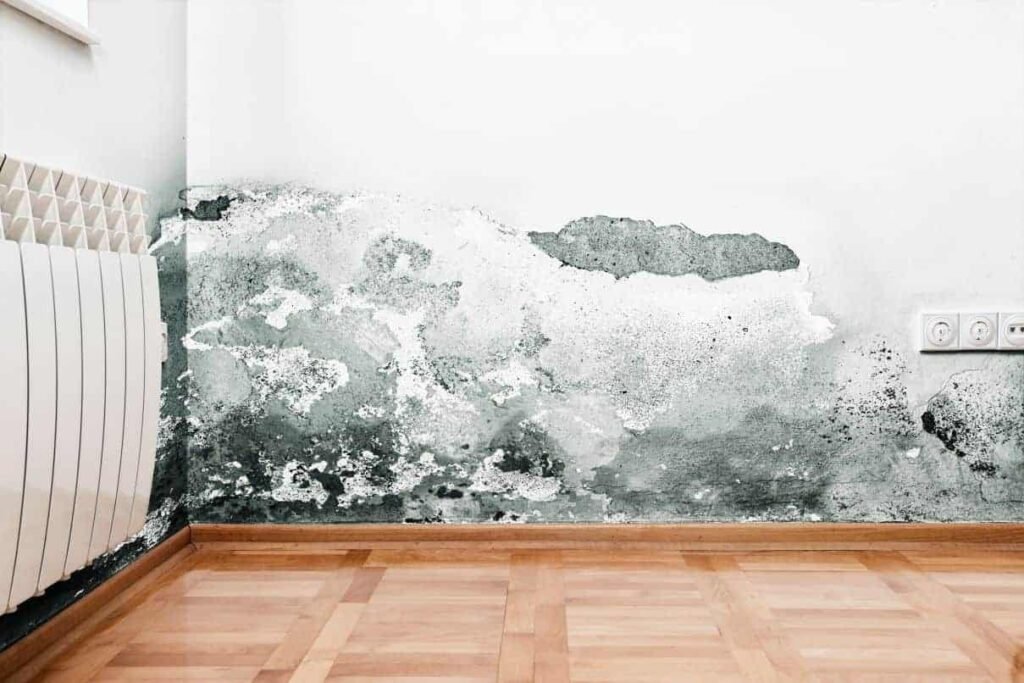
In the case of most properties, a barrier known as a DPC (or damp proof course) is put in place during construction in order to prevent rising damp. DPCs are made of waterproof, non-absorbent materials—traditionally slate, but plastic damp proofing is more common in newer builds.
Rising damp is much more likely in older builds where the damp proof course has deteriorated or was never installed at all! Some mistakes during construction can also reduce the efficacy of DPCs, such as debris or insufficient insulation materials in wall cavities, or renders overlapping DPCs. These errors enable moisture from the ground to move above the DPC and rise through the wall.
While rising damp is much rarer than often believed, it can cause serious problems if untreated. Not only can it cause decorative damages, but can also weaken the physical structure of your home and reduce the efficiency of insulation. Not to mention, the smell is often unpleasant and it can be harmful to respiratory health.
As well as a musty smell, signs of rising damp include wet patches on walls, flaking or “bubbling” plaster, crumbling bricks or mortar, and rotting skirting boards.
Penetrating Damp
Penetrating damp is one of the forms of damp often misdiagnosed as rising damp when it is discovered at a low level. However, penetrating damp is an entirely different form of damp. Instead of moisture travelling upwards, this type of damp sees it travel horizontally or even downwards.
There are a few different causes of penetrating damp. One is rainwater reaching the external surface of a wall due to wind, and then moving into the building internally via tiny holes in the brickwork. Once it reaches the internal surface of the wall, it is kept in place by warmth rather than evaporating. Chimney stacks or leaking roofs are other common routes of entry for penetrating damp. If untreated, penetrating damp can cause serious issues such as wet or dry rot, or water or frost damage internally and externally.
This form of damp is usually found in buildings with non-breathable renders, such as those made of cement-based materials. Most houses built during or after the 1980s use cavity wall designs to reduce the chances of penetrating damp affecting the property.
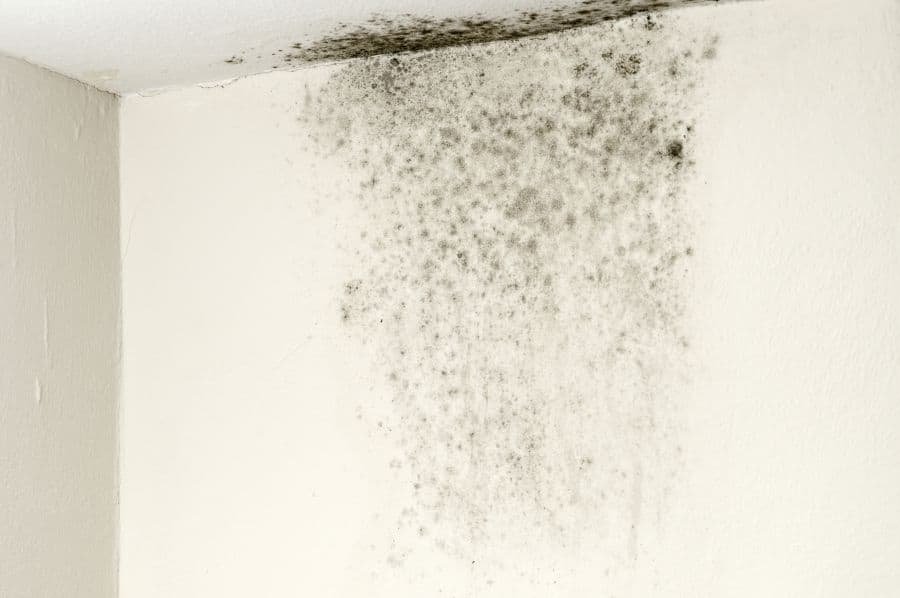
Another common cause of penetrating damp is floor levels (internal or external) being elevated above a DPC. This often leads to penetrating damp being misdiagnosed as rising damp.
There are a few signs of penetrating damp to look out for, such as damp stains on ceilings or external walls, wet or crumbling plaster, black mould spores, and drips.
Because penetrating damp can have so many different causes, it is vital to determine the exact cause in order to correctly treat the problem. The wrong diagnosis from a damp survey can result in you paying unnecessarily high prices for treatments that won’t fix the issue. Our surveyors are aware of all potential causes of this damp, and carry out thorough inspections in order to find the right diagnosis.
Condensation
Condensation is one of the most recognisable forms of damp. While condensation is usually most noticeable as droplets of water on windows, it can also appear on other surfaces where it is typically easier to miss. Condensation-related damp is often misdiagnosed as other forms of damp, and expensive treatments recommended unnecessarily.
The most common cause of condensation is our own behaviour. Condensation comes from airborne moisture generated within, rather than outside of, the home. This moisture is usually steam from showers, baths, cooking, or other everyday household occurrences. This doesn’t mean you should stop using hot water, of course—but it is important to tackle condensation before it spreads and potentially causes structural damage to your property.
Moisture becoming trapped inside and condensing is often due to an increase in levels of insulation and the blocking of draughts. Although insulation is great for keeping our heating bills low, there is a balance to be struck here.
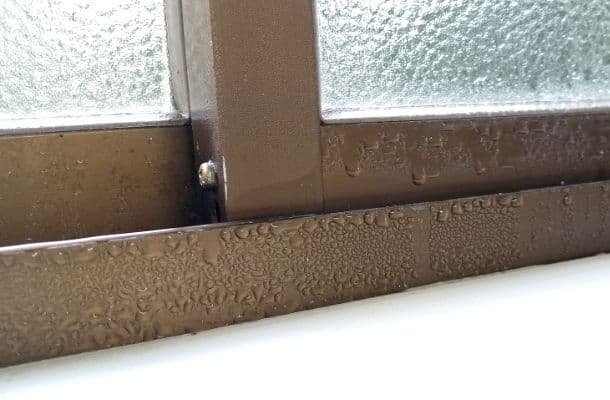
Some ventilation is important—for example, opening windows for even a few short minutes a day can prevent too much condensation from forming. Wiping condensation from windows using a piece of kitchen roll or a towel can also help.
If condensation is not dealt with and is allowed to spread, it can lead to mould growing on surfaces. Not only can mould cause unsightly stains (in some cases permanent) and affect our health, but it can also penetrate walls and damage the integrity of structures in the same way that other forms of damp can. This extremely common and seemingly minor problem can actually have severe consequences over time if not addressed.
Condensation is usually not difficult to detect—water droplets on windows and mould on or around window frames are usually the first signs. Dealing with condensation usually only requires simple life changes that you can carry out yourself, but condensation being misdiagnosed as other forms of damp can result in costly “treatments”. Independent Damp Surveyor can carry out a detailed damp inspection to determine if your damp problem is just condensation or something more structural.
Timber Rot
In buildings with frames, walls, or floors made of timber, damp can have another troublesome effect—timber rot. Timber rot is caused by species of fungi that live inside wood. These fungi can be separated into two categories; wet rot fungi and dry rot fungi.
Wet rot fungi only grow in wood with a high moisture content (around 50%), so damp typically has to be severe and long-lasting to cause wet rot. Dry rot, on the other hand, is a result of a single specific fungus that can grow in wood with much lower moisture content. The dry rot fungus is made up of spores that are always in the air around us. These spores can live in dry timber for many months or even years and cause no damage, however, the presence of moisture can cause these dormant spores to germinate and fungus to spread.
Either form of timber rot can result in severe degradation of the strength of the timber, potentially leading to dangerous structural damage to your property. Signs of timber rot include cracks in wood, visible growth of whitish fungus, and a fungal odour.
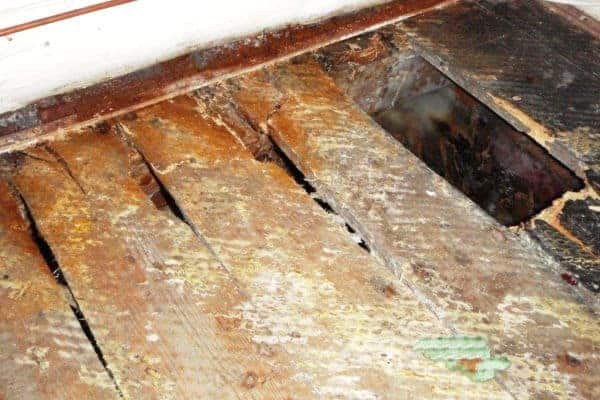
Timber rot can occur as a result of any form of damp—where there is moisture in a property, fungi can grow on timber. To reduce the chances of timber rot, any patches of damp should be addressed and treated, even if they have not yet reached any timber. Fixing any issues with ventilation, condensation, or defective plumbing can help prevent the damp that can lead to timber rot.
If you are unfortunate enough to already have timber rot on your property, it is important to work out whether it is dry or wet rot, as each may require a different treatment. A professional damp and timber survey can correctly diagnose the problem. Our skilled damp detectives can provide you with an accurate damp and timber report.
Damp Basements
Basements are notorious for being hotspots for damp. Whether you want to use your basement as a living space or just for storage, damp can prove to be a major obstacle. You can often tell straight away when a basement is prone to damp, as the air will feel humid. You may also have stored items in cardboard boxes and noticed the cardboard becoming soft or even moist to the touch over time.
You may think that damp isn’t much of a problem if it is confined to the basement, especially if you don’t use your basement for much. However, basement damp can spread to other areas of your house, affect air quality, and even cause structural damage.
Many of the causes of damp basements are due to the construction of the building. For example, older houses often lack under-floor drainage systems. Other potential causes include problems with grading, guttering systems, or the sump pump if your house has one. Anywhere at the base of the house that ground water is able to accumulate is a potential cause of basement damp, as it can often penetrate into the walls.
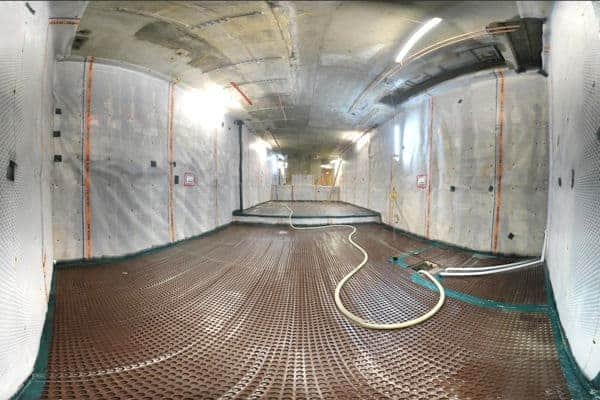
However, some causes are easier to deal with. When damp is due to condensation or leaks, you may be able to tackle it by improving ventilation or fixing damaged pipes. A dehumidifier can also be a simple solution. Independent Damp Surveyor can help you to determine the causes of damp in your basement so you know whether or not to consider extensive damp proofing renovations.
Leaks
You have probably experienced leaks in the home at some point. You may have been alerted by visible or audible dripping or trickling of water coming from a pipe, wall, or other fixture. However, some leaks are unfortunately harder to detect, and are therefore able to continue causing damage for a much longer time before they are addressed.
Leaks are a common cause of damp in the home. Even the tiniest leaks can result in saturation and internal damp. When it comes to the smallest leaks, it is likely that the damp will be discovered before any running water is. You may not even know that there is a leak at all, and instead, believe the problem to be another form of damp.
Leaks can be caused by internal or external water pipes becoming damaged by cracks, or by seals/joints becoming corroded over time. Another common cause of leaks is blockages in external or internal drains.
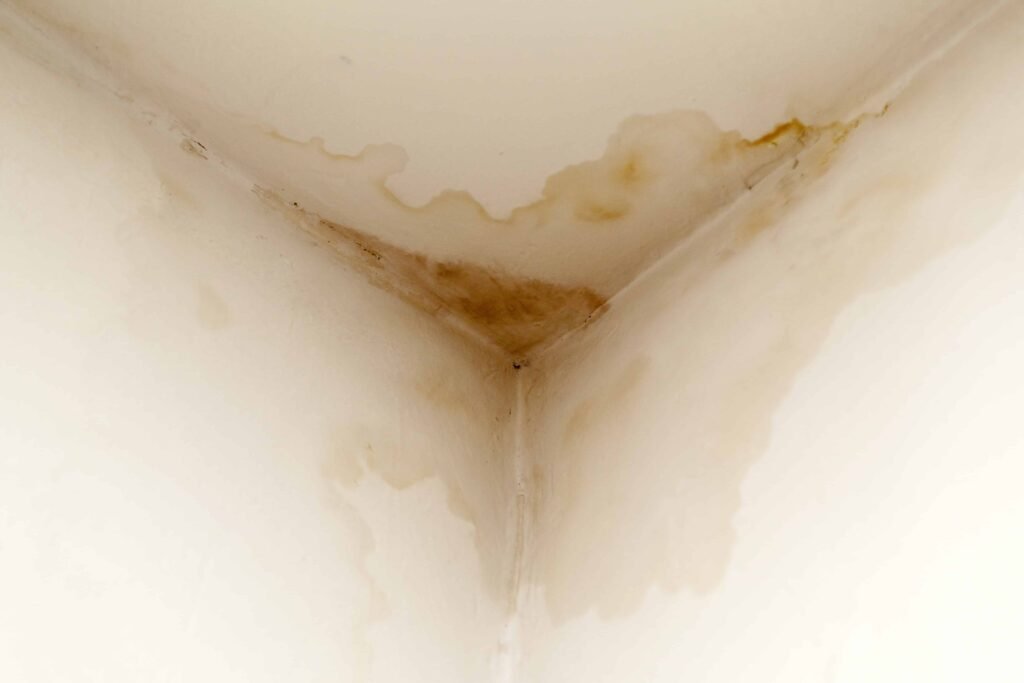
Of course, serious leaks can cause obvious water damage to decorations, furniture, and other household possessions, and in some cases can even cause flooding. Smaller leaks, however, are more likely to result in damp, which can cause less obvious (but often equally harmful) structural damage.
Leaks can affect any property with running water. Leak-related damp can often resemble rising or penetrating damp, yet the cause is hugely different and is vital to determine before a treatment is applied. Signs that an area of damp may be due to a leak include visible damage to pipes or seals and blocked drains. As well as in areas with plumbing, leaks are also common in locations such as on or near window frames (due to poorly-fitted windows), below flat roofs or roof channels, and around chimneys.
Independent Damp Surveyor use sophisticated leak detection equipment in order to differentiate between this and other forms of damp so that we can recommend the ideal solution.
Of course, our surveyors are friendly and approachable, so they would be happy to advise you on any aspect of construction. If, for example, you are planning an extension at the back of the property and you are concerned about drainage, the surveyor can give you advice on all aspects of the project.
The surveyor only needs unrestricted access to all areas of the building, a neighbour could let the damp specialist in and we would lock up and return the keys when done. We aim to minimise the inconvenience caused when we inspect for damp and mould, however, we must be thorough in our search.
If you’re unsure of the level of survey you need, please call us on 020 7523 5882.
We can schedule the damp survey within a few days, and we’ll send a comprehensive report and findings to you within 24 hours. That way you can quickly decide on next steps.
If you have any questions about damp surveys, general damp worries or want to find out about booking a survey, please call us on 020 7523 5882.
Damp Survey Costs
Transparent pricing with no hidden fees for our independent, unbiased surveys.

Level 1
What’s included:
- Inspection of walls
- Inspection of floors
- Inspection of ceilings
- Leak inspection of drains and plumbing
- Damp information and prevention guide

Level 2
What’s included:
- Everything in Level 1
- Dry rot inspection
- Wet rot inspection
- Woodworm inspection
- Damp information and prevention guide
Level 3 (Most Popular)
What’s included:
- Thermal Imaging
- Air humidity testing
- HD boroscope camera
- Brickwork pointing inspection
- DPC inspection
- Ventilation flow test on extractor fans
- 4K drone imagery roof, chimney stack
and guttering inspection - Structural condition inspection
- Inspection of walls
- Inspection of floors
- Inspection of ceilings
- Leak inspection of drains and plumbing
- Dry rot inspection
- Wet rot inspection
- Woodworm inspection
- Damp information and prevention guide
Survey Add Ons
Add On 1
Laboratory analysis Of plaster identifies hygroscopic salts such as chlorides and nitrates. which indicate whether damp is caused by rising groundwater or by plumbing leaks, This testing removes guesswork, allowing the exact source of moisture to be identified so the correct treatment is applied rather than carrying out unnecessary damp-proofing work.
Add On 2
qPCR DNA mould testing detects microscopic mould spores that are invisible during a normal inspection and van remain hidden behind walls, floors. or inside building rkaterials. It identifies the exact mould species present and the contamination level, allowing hidden mould problems to be confirrned and properly treated before they affect the property or occupants’ health.
Qualifications: All our surveyors are PCA and CSRT qualified for remedial treatments and also CSSW qualified for structural waterproofing.
Next day report: You will receive the report within 24 hours of the inspection taking place.
The survey fee will be deducted from the cost of any recommended repairs.
These are the tools we use
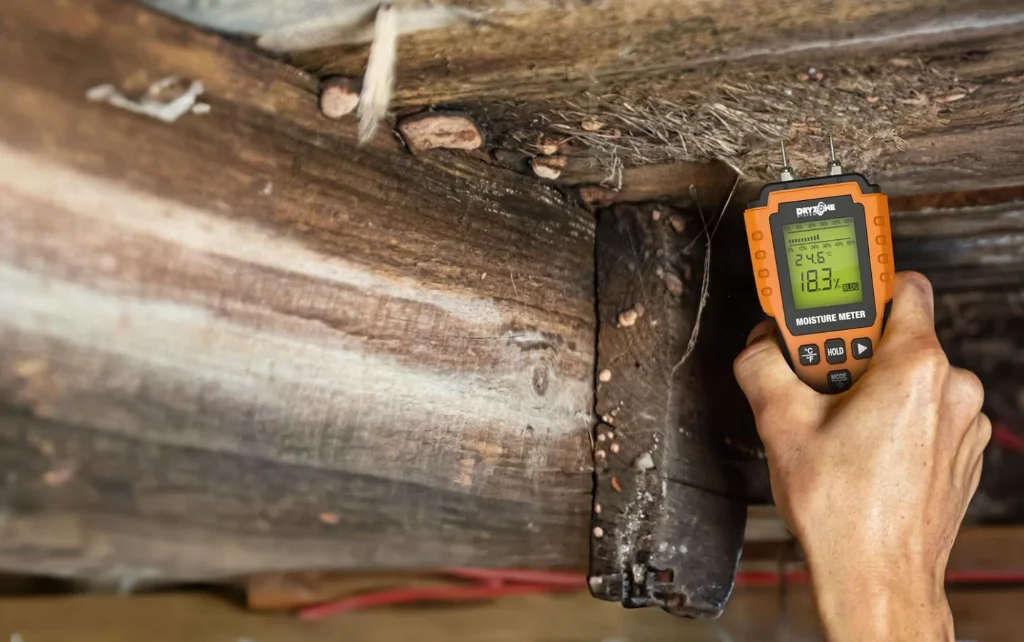
Damp Meter
A damp meter is a diagnostic tool used to detect and measure moisture levels within building materials such as plaster, brick, timber, and concrete.
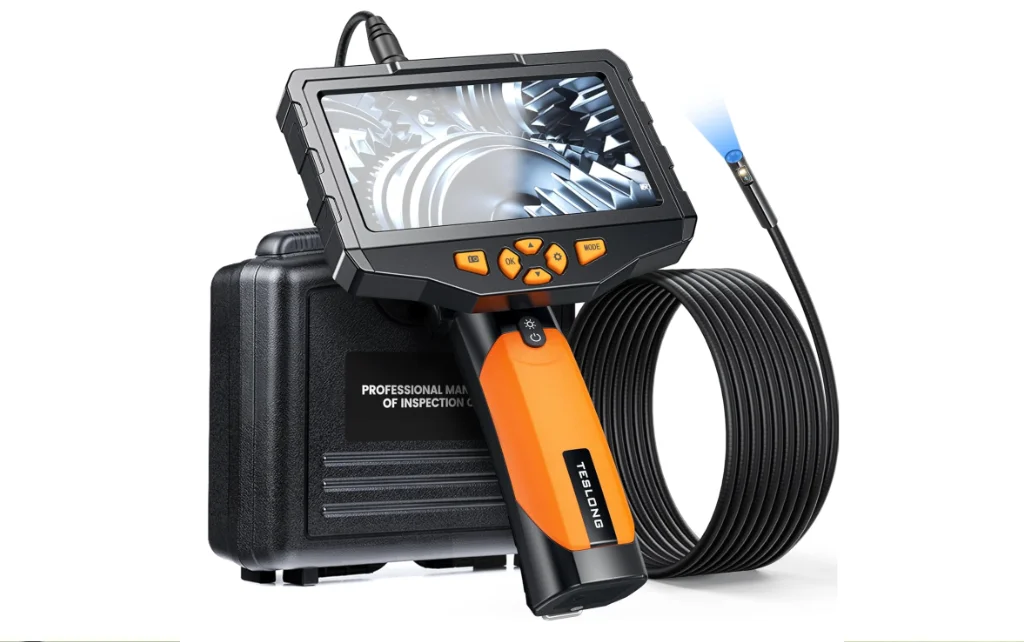
Borescope camera
borescope camera is a small inspection camera attached to a flexible semi-rigid cable that allows you to see inside areas that are otherwise inaccessible.

Drone Inspection
A drone is a remotely operated aerial device equipped with a camera that allows visual inspection from above without the need for scaffolding or ladder.
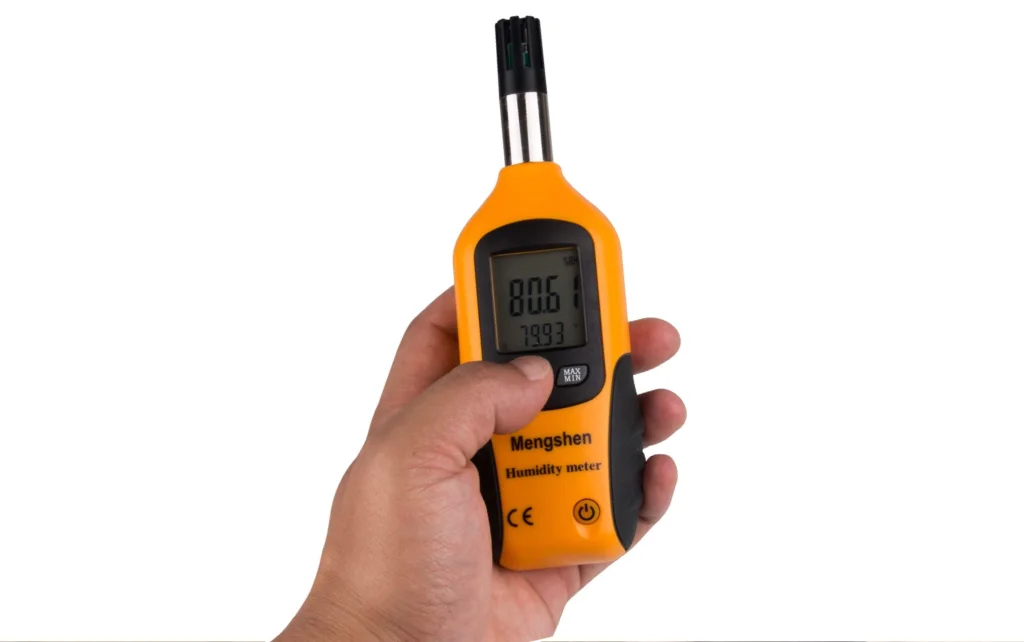
Air Humidity Sensor
Air humidity sensor measures the amount of moisture present in the air, expressed as relative humidity (RH) in percentage. It helps determine whether indoor conditions are contributing to condensation, mould growth, or damp-related issues.
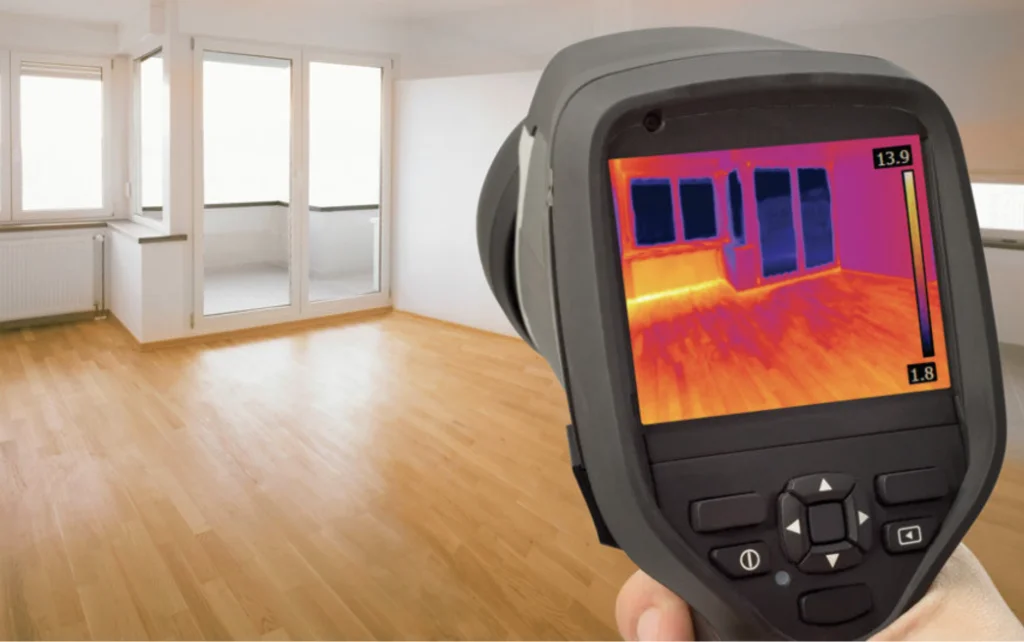
Thermal Imaging Camera
A thermal imaging camera detects temperature differences on surfaces by using infrared technology to produce a heat map image. In damp investigations, it helps identify cold spots, moisture intrusion, insulation defects, thermal bridging and leaks.
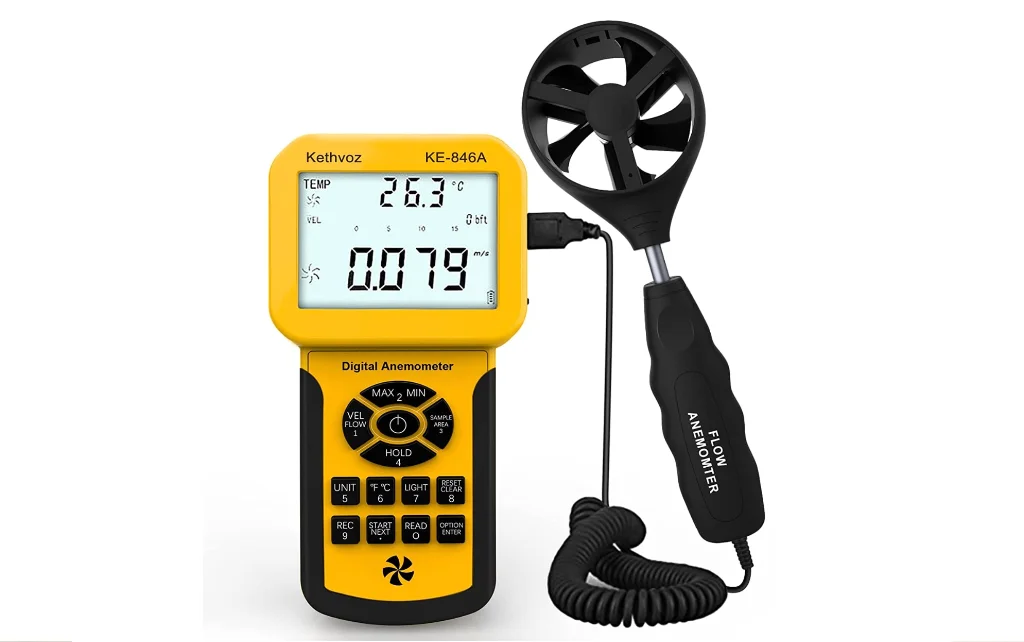
Air Flow Ventilation Detector
An air flow ventilation detector measures the movement and volume of air passing through vents, extractor fans, and air bricks. It confirms whether ventilation systems are working properly and achieving adequate air changes within a room. Poor airflow leads to trapped moisture, high humidity, condensation on cold surfaces, and ultimately mould growth.

Mould Lab Swab Testing
A mould swab test is carried out to confirm the presence of hidden mould growth and identify the specific species involved. Surface mould is not always visible, especially behind furniture, inside cavities, or within ventilation systems. Laboratory analysis of a swab sample determines whether active mould spores are present and what type they are, which helps assess potential health risks and decide the correct remediation approach rather than relying on visual assumption alone.
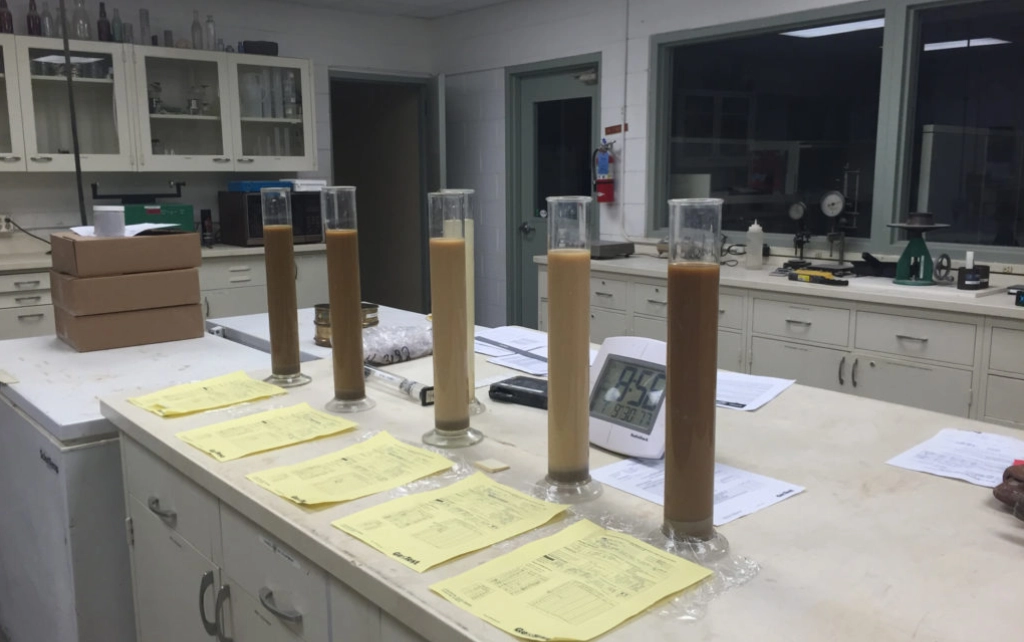
Lab Analysis of Plaster
Laboratory analysis of plaster is used to identify the type of salts present within the material, typically chlorides and nitrates. The presence and concentration of these salts help determine whether the moisture source is consistent with rising damp, ground contamination, or another forms [sic] of water ingress. such as mains water leak, This removes guesswork and prevents misdiagnosis, ensuring the correct remedial treatment is specified rather than applying unnecessary or ineffective solutions.
Contact Us
If you have some questions, please complete this form:
Book and Pay for a survey
If you are ready to book a survey and pay, please complete this form:

Contact Us
If you have some questions, please complete this form:
Book and Pay for a survey
If you are ready to book a survey and pay, please complete this form:
Contact Us
If you have some questions, please complete this form:
Book and Pay for a survey
If you are ready to book a survey and pay, please complete this form: